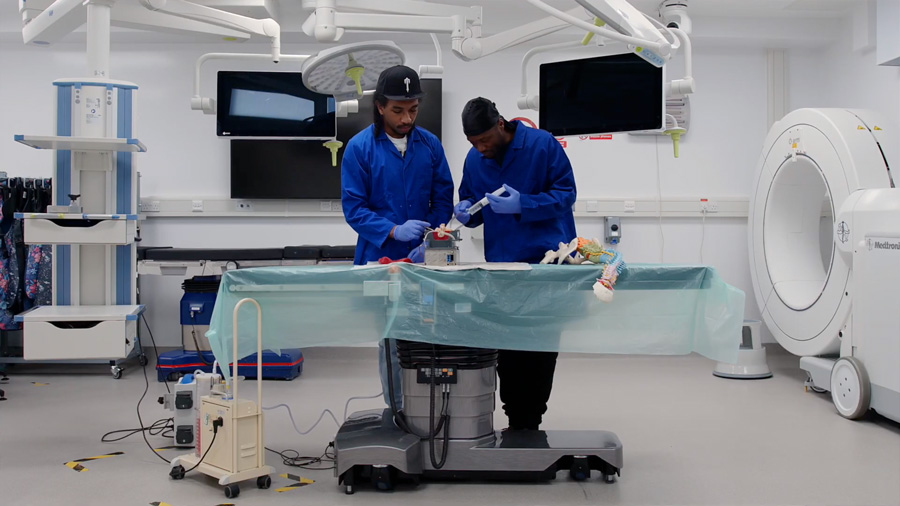
At We Rise we’re all about real life experiences to empower young people to create successful futures, and what could be more real than Life Sciences?
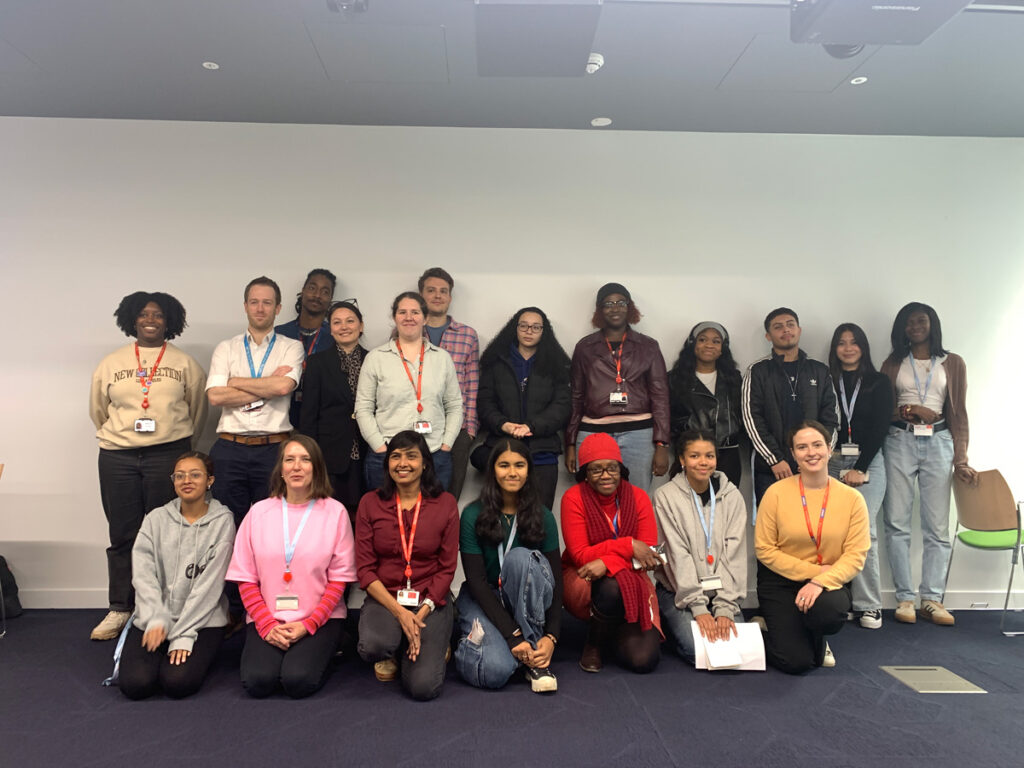
A lot of us, and particularly young people, don’t really know what a career in Life Sciences might look like, but thanks to our partnership with King’s College London’s London Institute for Healthcare Engineering (LIHE), 20 young people went behind the scenes and found out about some of the many jobs you can do in MedTech and Bio Medicine. It was eye opening!
Together in late 2024 we created ‘My Life SC1ence’, (MLS), a highly successful collaboration that is helping raise young people’s awareness of one of the Mayor of London’s Growth Sectors and open up career paths they may not have known about.
Our MLS work ex project team created two highly effective short films that will appeal to other young people like themselves to showcase the Life Sciences sector and the opportunities it offers them right on their doorsteps!
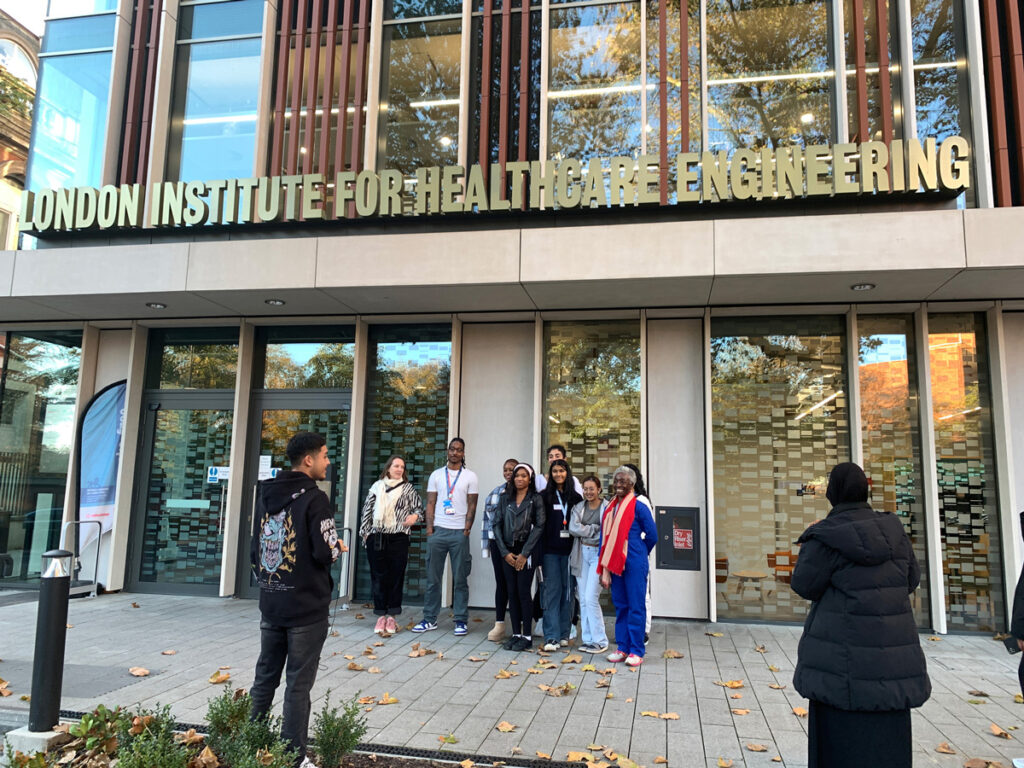
How we did it
We recruited two groups of young people to take part: 10 x 16 to17 year olds who were still in school, and 10 young people aged up to 30 years old who at the time were not in education, employment or training (NEET). Through careful project planning we ensured that not only did they gain very high quality ‘real’ work experience, but they also led a valuable youth creative project and many have subsequently found work.
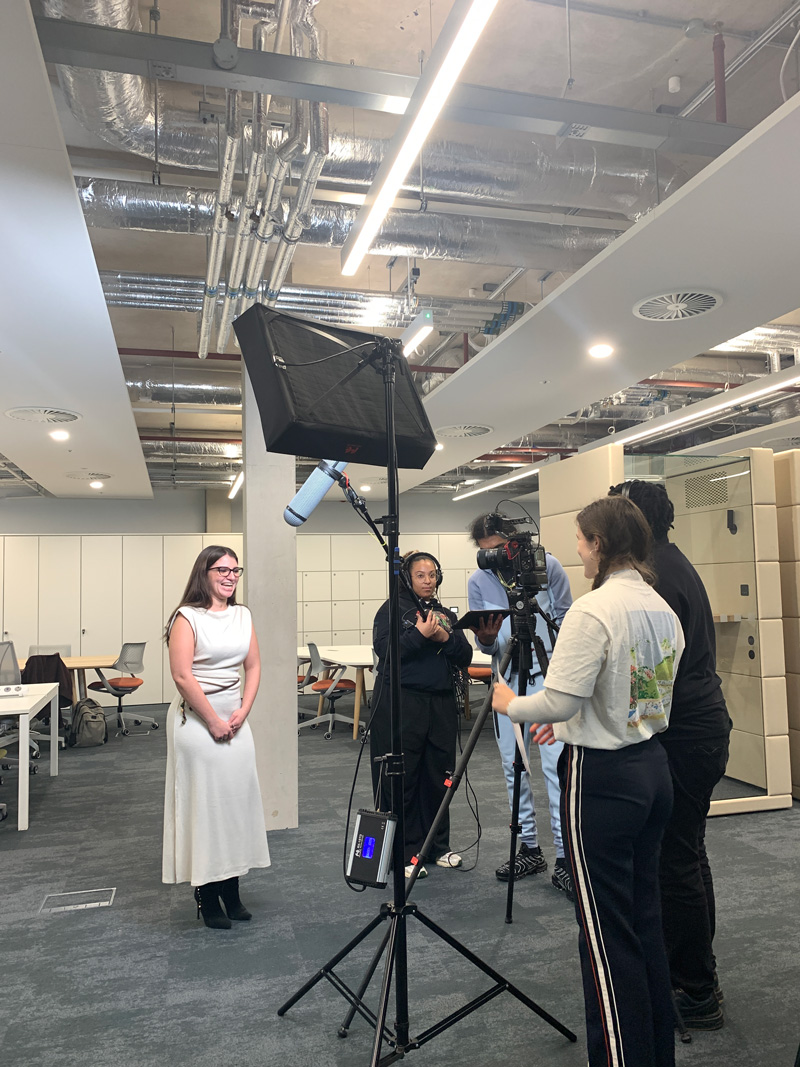
The MLS cohort of young people took part in 10 days of structured work spread across 4 weeks working out of the incredible LIHE, King’s School of Biomedical & Engineering & Imaging Sciences and St Thomas’ Hospital. In two groups, they researched, developed, wrote, filmed and edited two short films and social media content to demystify jobs and ask the questions young people have that might get in the way of exploring a career in Life Sciences.
As well as creating the films our cohorts also had work-ready skills sessions, learnt interview skills and had an introduction to the film world to help bridge gaps between where they are and the dreams they have. All the young people were paid the London Living Wage for their time.
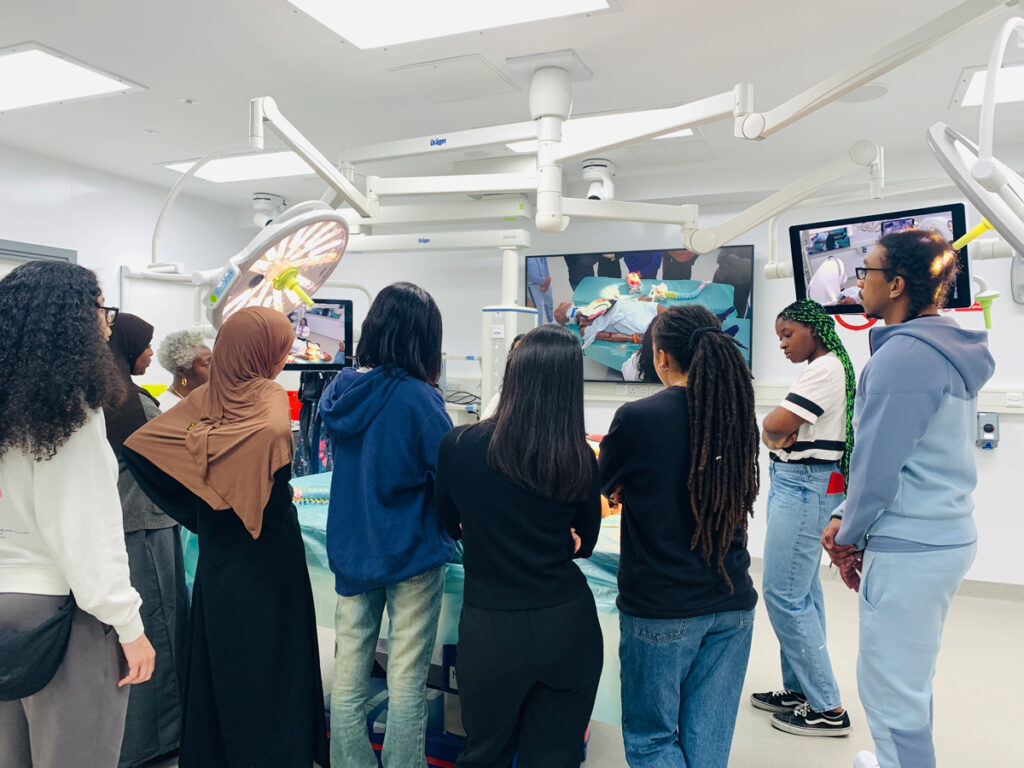
We Rise X King’s Health Partners
Working with KCL meant we had direct access to inspiring Bio Med, Med Tech and healthcare experts who worked in a whole variety of clinician and non-clinician roles. Throughout the project the MLS participants were coached by We Rise, expert filmmakers From A Dope Point of View and had the support of technicians, academics, students and entrepreneurs from LIHE. In total our My Life SC1ence project involved 59 volunteers who engaged with the participants. By bringing them into the room for key note talks and a busy speed mentoring session, our cohort were able to hear about their job roles in more detail and their unusual career path stories. Importantly they did this while practicing their networking skills. The impact of interactions like this are incredibly insightful, inspiring and empowering.
In response the cohorts created some of the film’s key messages such as:
‘We all exist so therefore we all have science capital.’ and ‘Every problem is an opportunity.’
SC1 London
MLS was commissioned by Lambeth Council, funded by UKSPF and supported by the Mayor of London. The film outputs not only engaged young people in the sector, they continue to raise awareness of the SC1 Life Sciences innovation districts in Lambeth and Southwark. SC1 London brings together seven founding partners: King’s Health Partners, King’s College London, Guy’s and St Thomas’ NHS Foundation Trust, King’s College Hospital NHS Foundation Trust, South London and Maudsley Foundation Trust, Guy’s and St Thomas’ Foundation, and Southwark and Lambeth Councils. Together, they form an ecosystem of partners, places and talent across three thriving innovation clusters (Waterloo, London Bridge and Denmark Hill).
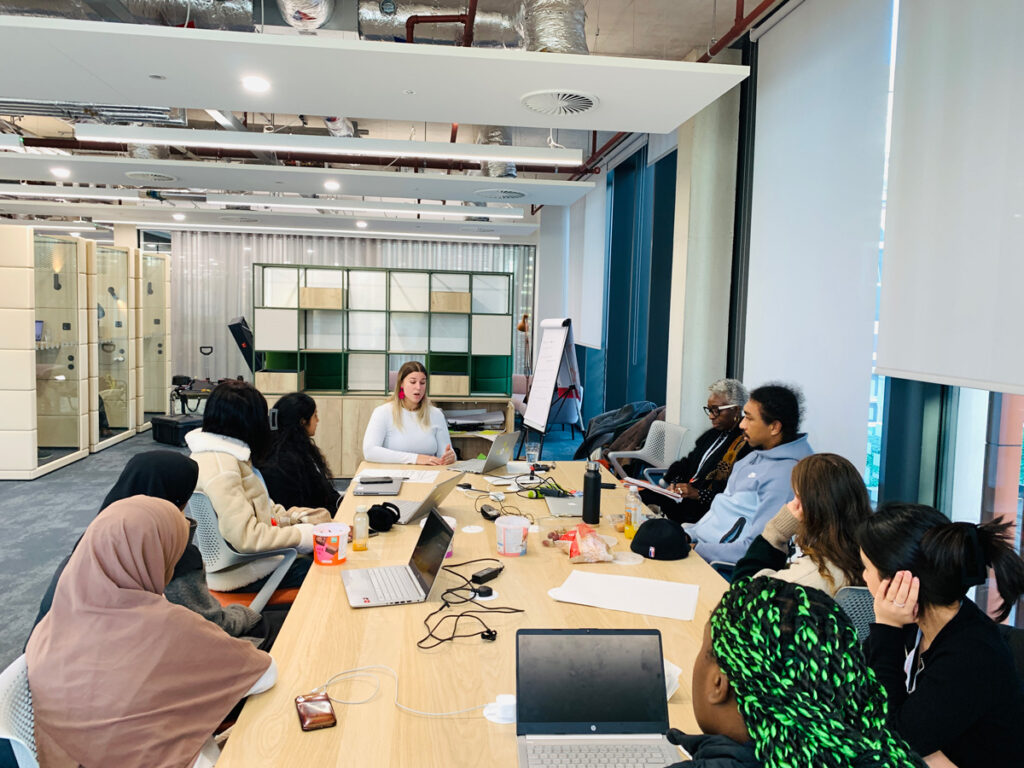
Impact
We’re so happy that half of the older group who took part have since found jobs.
For Jessica the project was life-changing and has set her course for a career in Life Sciences. She said: “Before this project with We Rise, I wasn’t in higher education or work. Traumatic experiences at school had left me struggling with social anxiety, making it difficult to put myself out there, let alone actively seek a job. I felt stuck. Through the project, I not only discovered the vast career opportunities in life sciences – beyond just medicine and research – but also gained the confidence to take my own steps forward.
“After the project, I [earned] my phlebotomy licence. Now, I’m starting a foundation in medicine course at Sheffield University – something that once felt impossible. Before I start that I’m learning to drive, moving house and applying for a hospital job. Most importantly, I haven’t given up on my dream of pursuing medicine.”
Safia, one of the participants, said: “My Life SC1ence helped us think outside of the box and network with people in different job roles. I enjoyed the creative process of making the film and understanding the job roles in life sciences and how diverse they can be.”
Rhea said: “I enjoyed speaking to the health professionals because I got a better insight of all the different jobs in life science and how they work.”
Ilora said that the programme was “a big help in boosting confidence and gaining lifelong skills. I learnt how to communicate with professionals and about time management when there are lots of people involved.”
Check out the films they made – they’re awesome!
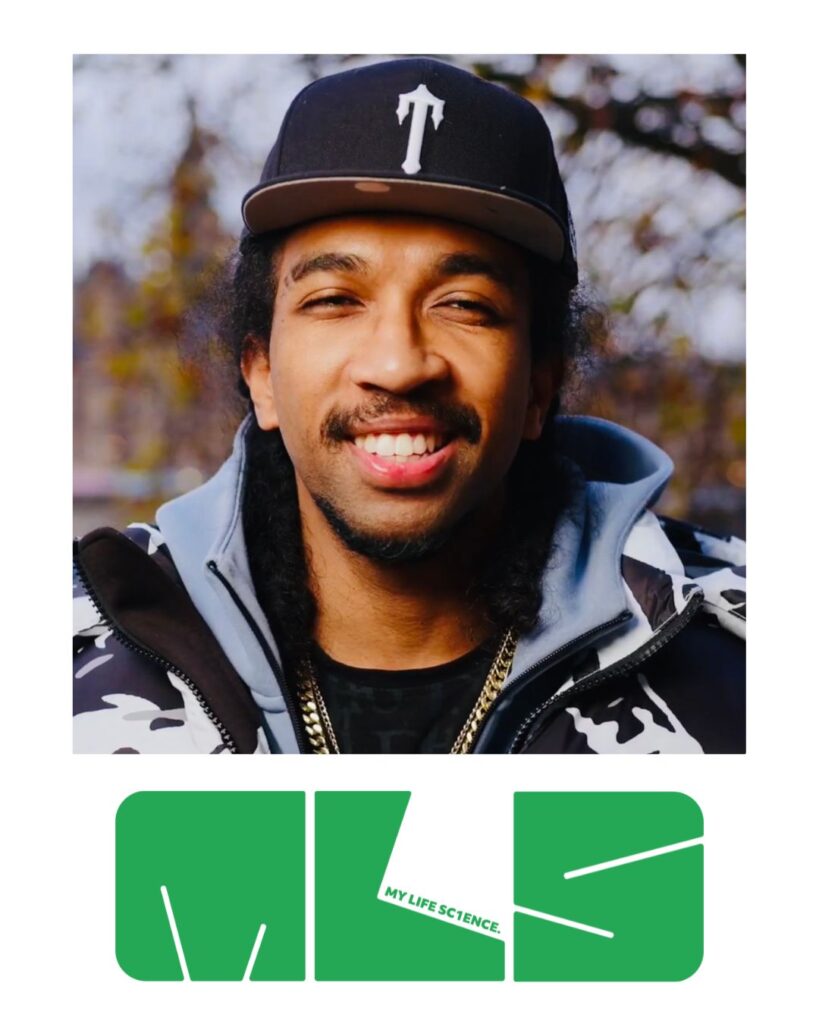
Angela, Ikram, Isra, Jessica, Kelly, Luke, Marlon, Princess, Sky, Valarie (who were all aged 16-17 at the time) made the film: ‘What Is Life Science?” Click on the image below to see their work.
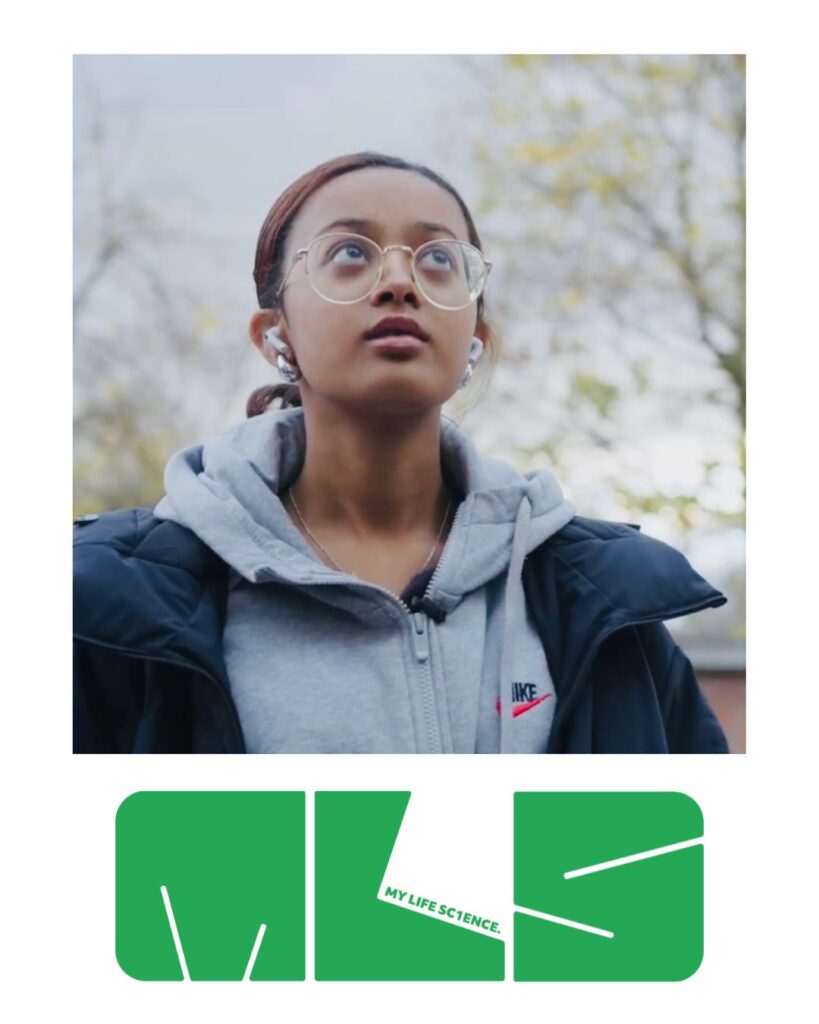
Amy, Daju, Duha, Ilora, Juan Jose, Nickela, Rhea, Safia, Sarah and Suwayda (who were at the time not in education, employment or training) created: “Job Roles in Life Science’. Click on the image below to see their work.
Adults think we know what young people think, but we really don’t. We Rise offers a unique approach by creating real and accessible work experience for young people from underrepresented communities. This creates win-win situations for partners like King College London where valuable outputs like these films to attract young people to Life Sciences are delivered and young people gain work ready skills and the step up they deserve.
The My Life SC1ence programme ran within the SC1 Life Sciences Innovation District and was supported by the Mayor of London and London Borough of Lambeth, funded by the UK Government through the UK Shared Prosperity Fund.