
Who knows best what young people need to get into work? Young people, of course!
That was the thinking behind one of our biggest research commissions yet. The Greater London Authority (GLA), working with London Councils and the Sub-Regional Partnerships, asked us to find out what it is really like for young Londoners trying to get into work, education or training, and what would make a difference. The findings will inform London’s Get Britain Working Youth Trailblazer programme, which is being designed around the needs of young Londoners, especially those from underrepresented and disadvantaged groups.
We delivered the project with our long-standing research partner, Linda Jackson of evaluation experts The Loom, who analysed the interviews and wrote the final report. We’ve teamed up before on youth research for The Felix Project and on evaluating Lambeth Council’s Digital Inclusion Fund. We were also fortunate to have pro-bono support from leading global research company Ipsos, who have backed our research projects since 2017 through their REACH (Race, Ethnicity, Culture and Heritage) programme.
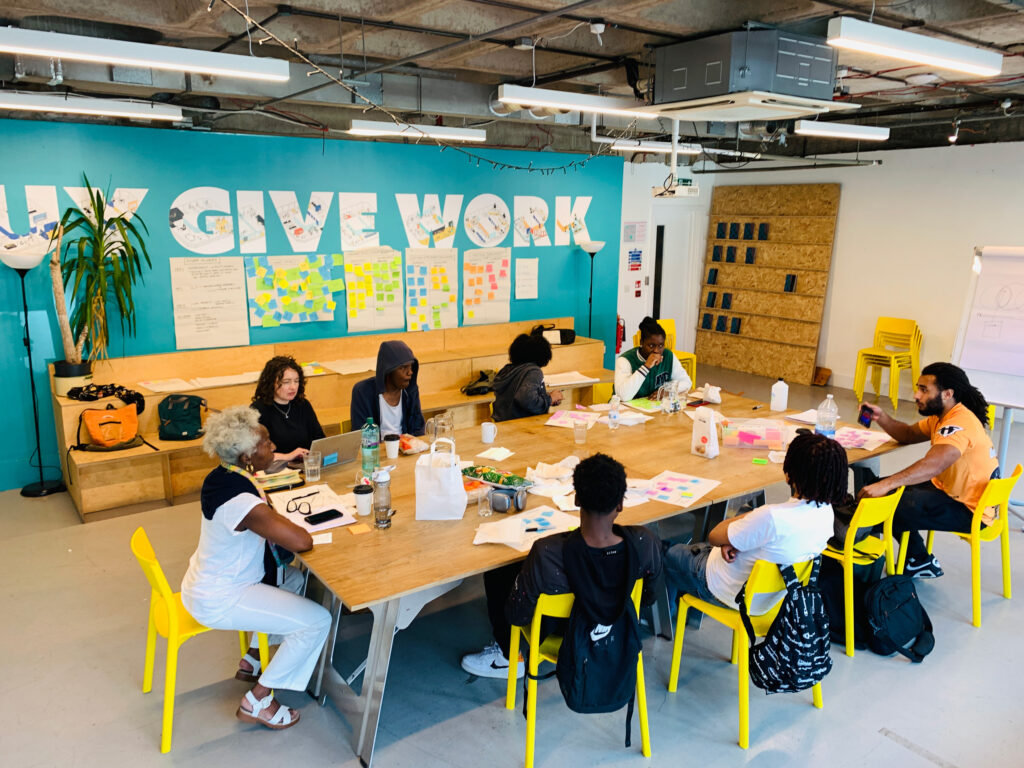
How we did it
The brief asked for 15 to 20 in-depth, hour-long interviews. But we didn’t want to do research on young people, we wanted to do it with their direction. We recruited a youth research team made up of those with lived experience of the issues we were investigating. By leveraging projects to create opportunities for young people to gain valuable paid work is a key component of how we work.
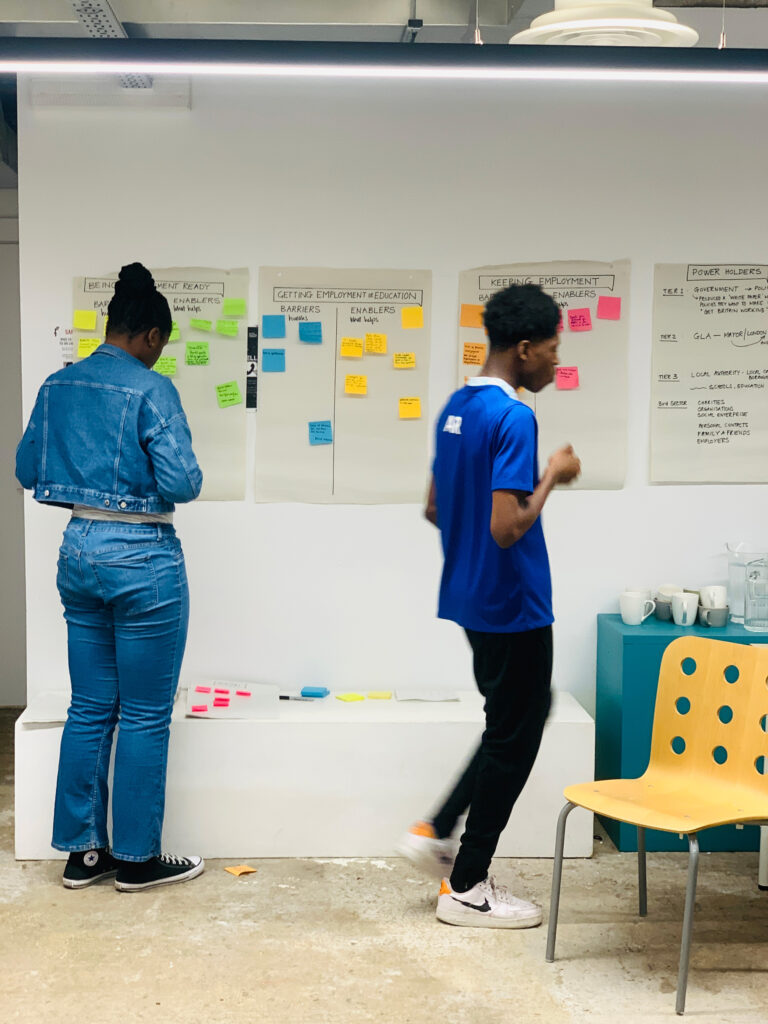
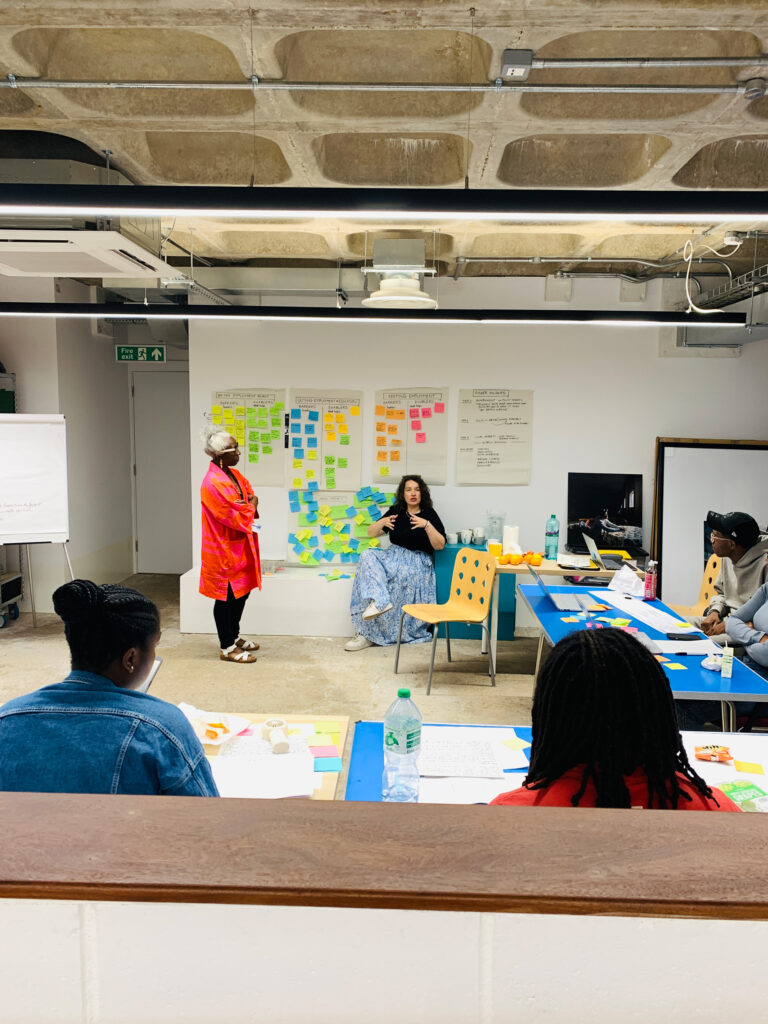
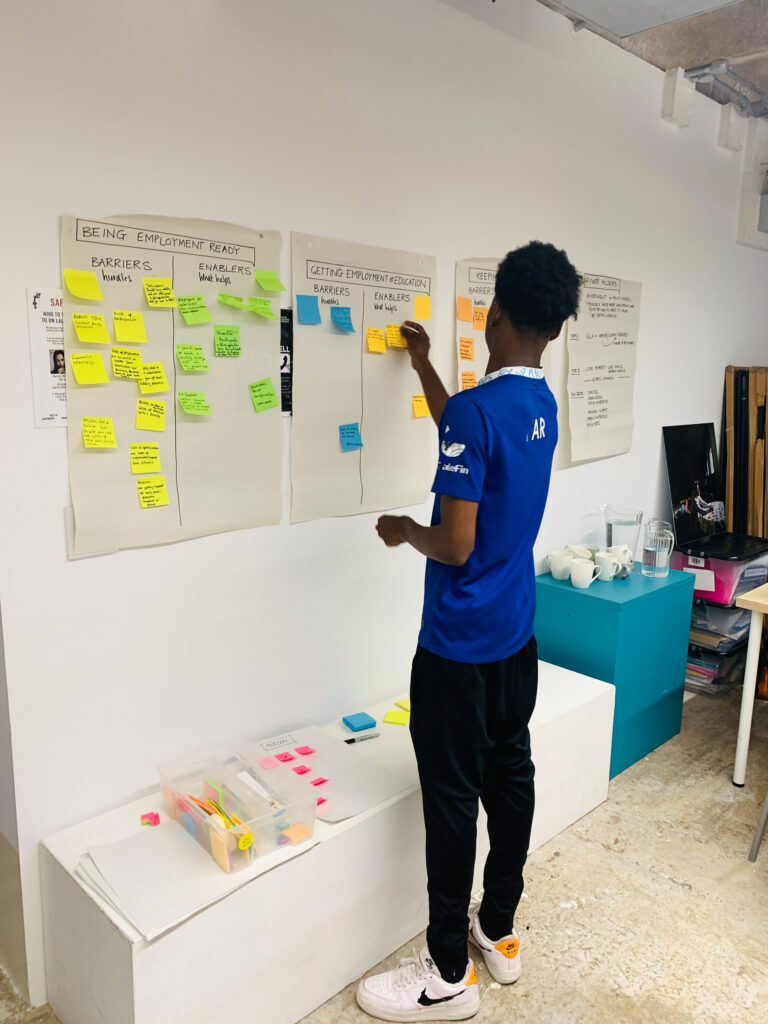
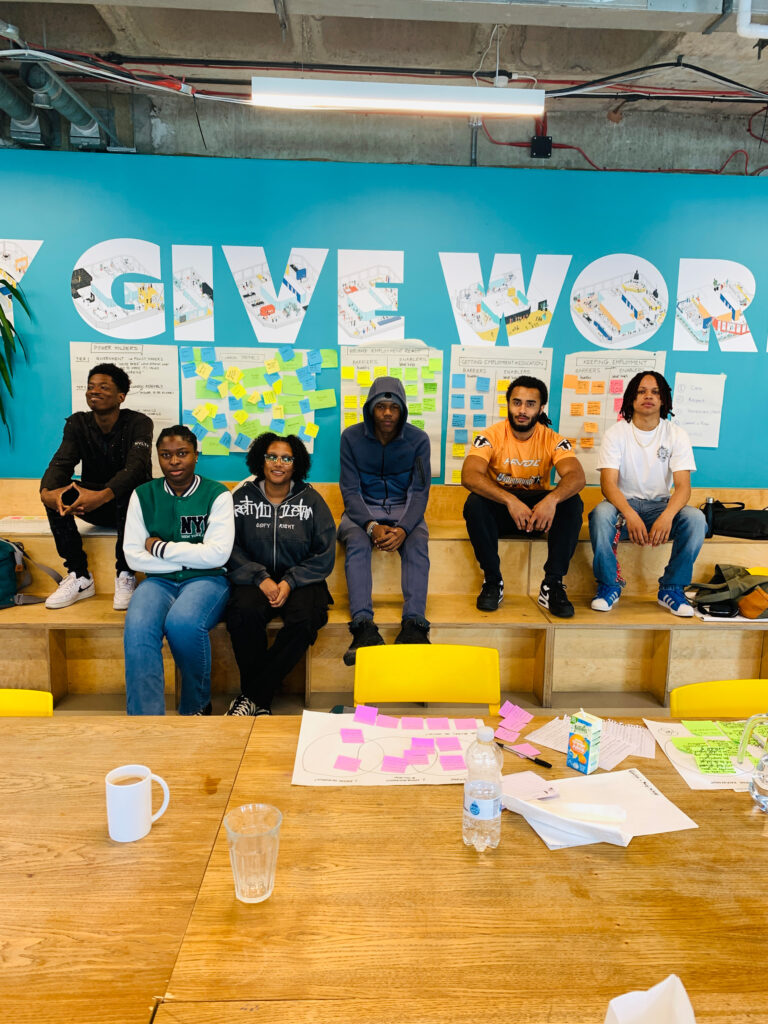
So we recruited an Alumni Research team of seven young people who met the interview criteria themselves, several of them from previous We Rise projects. Across three workshops in an eight-week project, the team:
- co-designed the interview topic guide
- took part in their own in-depth interviews to add their reflections
- analysed the interview data
- drafted the principles and recommendations in the final report
As with all our projects, this was real work for a real client, and it was paid. It’s an approach we’ve honed over years of youth research, including studies of young people’s wellbeing and their attitudes to arts and culture for Lambeth Council.
The response blew us away. Interest far exceeded our expectations and we ended up speaking to 21 young people aged 17 to 24 from 10 London boroughs. They included young people who were care experienced, young carers, neurodivergent, disabled, or had experienced homelessness or poor mental health. 18 of the 21 had been eligible for free school meals, and 12 were not in employment, education or training when we spoke to them. Every one of them was paid for their time.
Because the research was grounded in lived experience, young people opened up in ways they might not have with a stranger with a clipboard. The result is a rich, honest picture of what is getting in their way, which we share in our next post.
Impact
The project gave the Alumni Research team 12 hours of high quality, paid work experience. By the end, all four team members who completed feedback forms rated their business awareness, organisation, project planning and self-awareness as “Very Good”.
The numbers only tell half the story. When we asked what they enjoyed most, the team talked about working together and doing something that matters:
“I really enjoyed the comfortable group setting. Everyone was kind, welcoming, and non-judgemental, even though we came from very different backgrounds. It made it easy for me to share my ideas openly.”
“I most enjoyed the idea that it will hopefully help & impact young people like myself.”
The open discussions also sparked conversations about the things school often skips:
“I learned about real-world topics like taxes, financial terminology, and how the economy actually works – things that aren’t usually covered in school but are really important in adult life.”
And our favourite moment? At the end of the final workshop, the team toured our building, including the new restaurant on the top floor. One young researcher seized the moment, asked if they were recruiting, and was back the next day for a trial shift!
“I enjoyed everything but the thing I most enjoyed was getting employed on the last day of the project.”
That’s what happens when you put young people in the room, and in front of the right people.
Presenting to the GLA
We Rise coach Andrea Maloney presented the findings to the GLA on 16 October 2025 alongside Jessica, a member of the Alumni Research team. Jessica is 19 and was NEET (not in education, employment or training) when we met her. We have supported her for the past two years and she’s now completed a foundation year in Medicine and is starting her second year studying medicine at a Russell Group University.
Jessica talked the GLA through the team’s recommendations, and was clear about what young people want from the services designed for them:
“As young people we want the services to show genuine care, be personalised and be founded on two-way, respectful relationships.” – Jessica
We’re especially proud of one of the recommendations to the GLA: that all future scoping work for Trailblazers is framed as a work experience opportunity and paid at least the London Living Wage. In other words, more projects like this one!
Thank you
A huge thank you to the GLA, London Councils and the Sub-Regional Partnerships for commissioning this work, to The Loom and Ipsos for their expertise, and to every young person who shared their story. Most of all, congratulations to our brilliant Alumni Research team.
Want young people to help shape your services, research or campaigns? Get in touch, we’d love to talk.